Putting a "For Sale" sign in the front yard is a major milestone. Whether you're dreaming of a bigger backyard, downsizing for a simpler lifestyle, or relocating for a new job, selling a home is rarely just a transactional decision — it’s an emotional and financial one.
Before you start packing boxes or hiring a professional photographer, take a step back. Ask yourself these five essential questions to ensure you’re moving forward at the right time and with the right strategy.
1. How Much Equity Have You Built Up?
Equity represents the gap between what your property is worth today and the remaining balance on your mortgage.
While home values generally grow over time, don't forget to account for transaction expenses. Closing costs, professional fees, and pre-listing touch-ups typically consume 6% to 10% of the final sale price. Calculating your net profit early on ensures you know exactly what budget you’ll have for your next purchase.

2. What Is the Current Temperature of Your Local Market?
Real estate trends vary significantly from one city—or even one neighborhood—to another.
High Demand (Seller's Market): Limited inventory means properties sell quickly, often attracting multiple competitive offers.
High Supply (Buyer's Market): Increased inventory gives buyers more leverage, making competitive pricing and sharp presentation essential.
Key Metric: Pay attention to recent sales of similar homes nearby. Checking their average time on market gives you a realistic timeline for your own sale.

3. Do You Have a Plan for Your Next Move?
It’s easy to focus solely on selling, but the logistics of where you will live next are just as vital.
Consider whether you'll need to buy and sell simultaneously, rent temporarily, or negotiate a rent-back agreement. Being prepared for showing schedules, open houses, and the physical move helps make the entire process far less stressful.
4. Which Fixes Will Give You the Best Return?
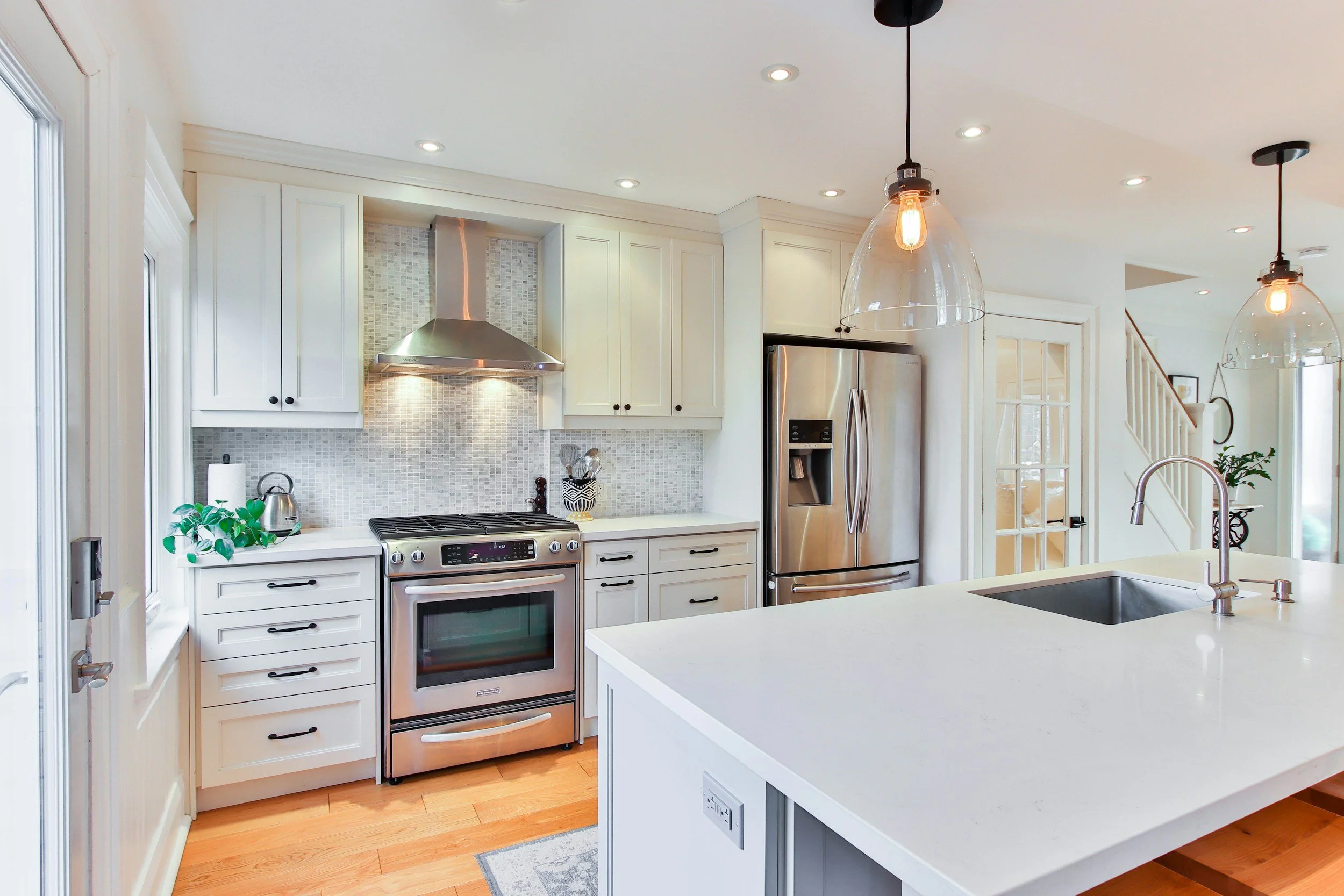
You rarely need a massive renovation to attract great offers, but skipping basic maintenance can turn buyers away. Most buyers prefer properties that feel move-in ready.
Focus efforts on these high-impact areas:
First Impressions: Clean walkways, refreshed landscaping, and an inviting entry set a positive tone right away.
Decluttering & Staging: Removing personal items and extra furniture helps prospective buyers visualize the home as their own.
Basic Repairs: Fixing minor issues like leaky faucets, scuffed walls, or loose handrails prevents red flags during inspections.

5. What Is Your Target Schedule?
Your personal timeline directly shapes your selling strategy. A quick job relocation might mean prioritizing a fast, smooth close over holding out for top dollar. If time is on your side, you can strategically align your listing date with peak local buying seasons.

Take the Next Step with Confidence
Selling a property doesn't need to be overwhelming when you have the right information in hand.