When you’re looking to update your home—whether you’re gearing up to sell or just want to fall back in love with your space—it is incredibly easy to get sucked into the "renovation rabbit hole." Before you know it, you’re looking at a $50,000 estimate for a complete kitchen teardown.
But here’s a insider secret from the real estate world: You don’t need to gut your house to make it feel expensive.
The highest-return projects are often surgical, strategic updates that completely change how a room feels the moment you walk into it. Here are the home upgrades that deliver the absolute biggest bang for your buck.

1. The Paint Illusion: Light and "Quiet Luxury"
Paint is quite literally the closest thing to magic in home design. It is the cheapest way to completely alter the perceived square footage of a room.
The Trend: Moving away from icy, sterile grays and leaning into warm neutrals (think soft creams, soft beiges, and muted taupes). It creates that high-end, cozy "hotel lobby" feel.
The Pro Move: Paint your baseboards, trim, and doors the exact same color as your walls, but switch the finish. Use a flat or eggshell finish on the walls and a semi-gloss on the trim. This makes ceilings feel instantly taller because the eye doesn’t get tripped up by contrasting white borders.
2. Elevate Your Hardware (The "Jewelry" of the House)
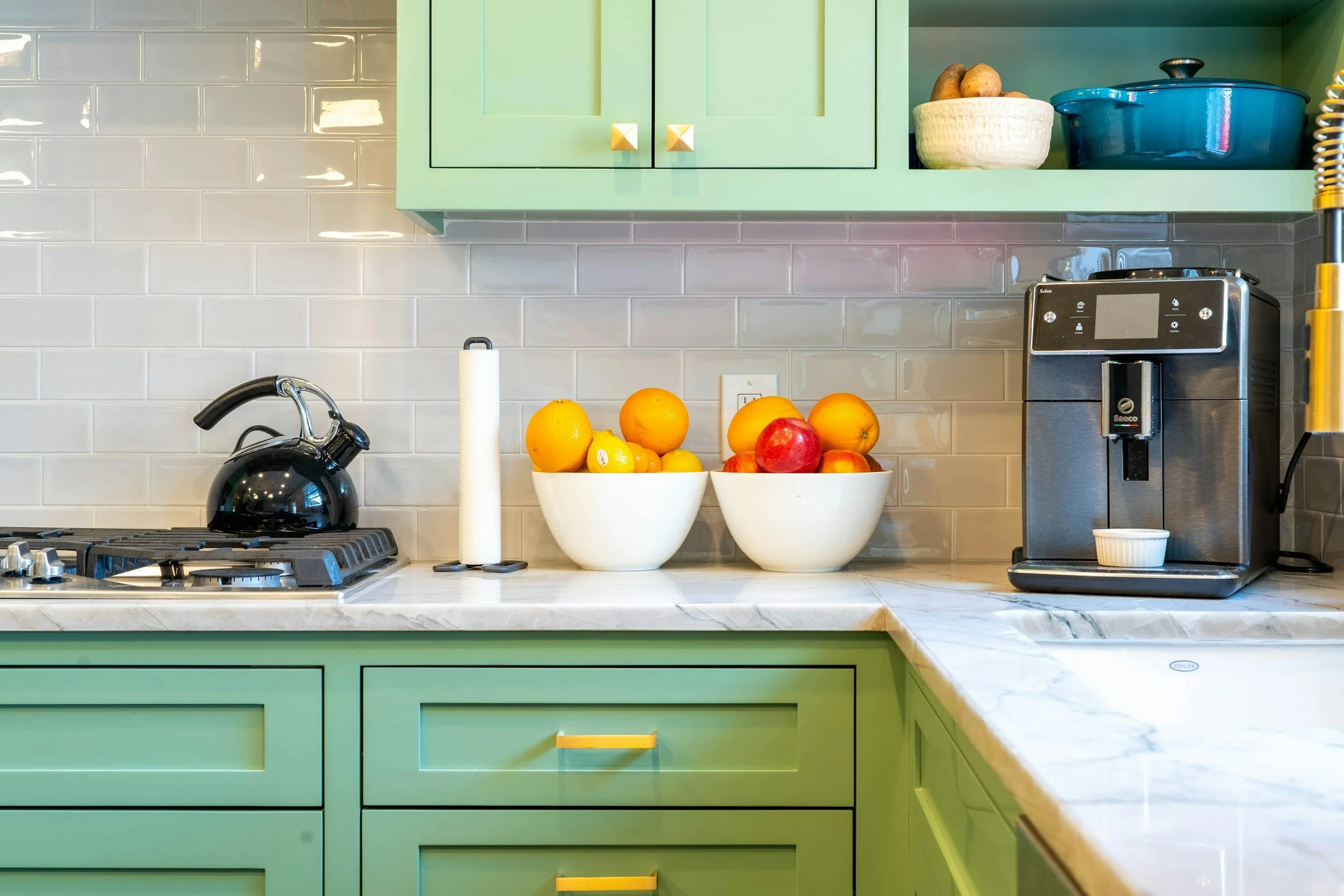
If your kitchen cabinets or bathroom vanities are in decent structural shape, do not replace them. Instead, replace the hardware. Cheap, builder-grade shiny chrome or faded brass knobs instantly date a home.
What to buy: Swap them out for matte black, brushed brass, or oil-rubbed bronze pulls.
Why it works: It creates a focal point. A simple shaker-style cabinet goes from generic to custom-designed just by adding a sleek, modern handle.
3. Light Fixtures: Say Goodbye to Boob Lights
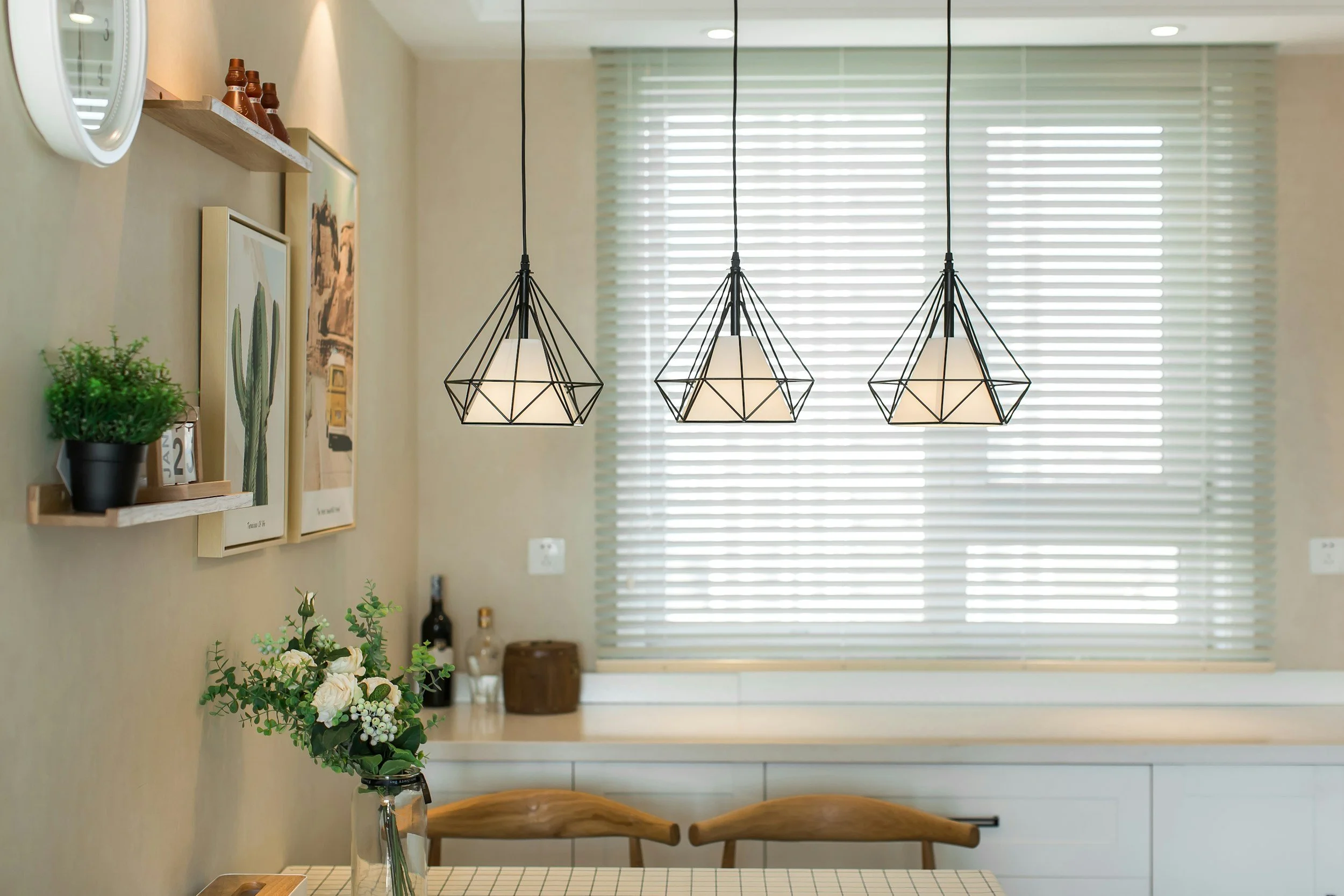
Nothing screams "this house hasn't been updated since 2004" like standard flush-mount dome lights. Lighting dictates the entire mood of a home.
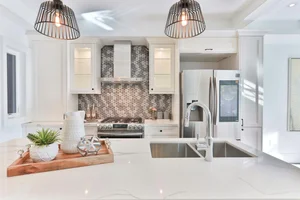
The Upgrade: Replace central ceiling fixtures in your entryway, dining room, and kitchen with statement pieces—like a drum pendant, a mid-century sputnik chandelier, or minimalist woven textures.
Don't forget the bulbs: Swap out old, harsh blue-white fluorescent bulbs for warm white (2700K to 3000K) LEDs. It softens the space and makes paint colors look richer.
4. First Impressions: Curb Appeal on a Saturday Budget
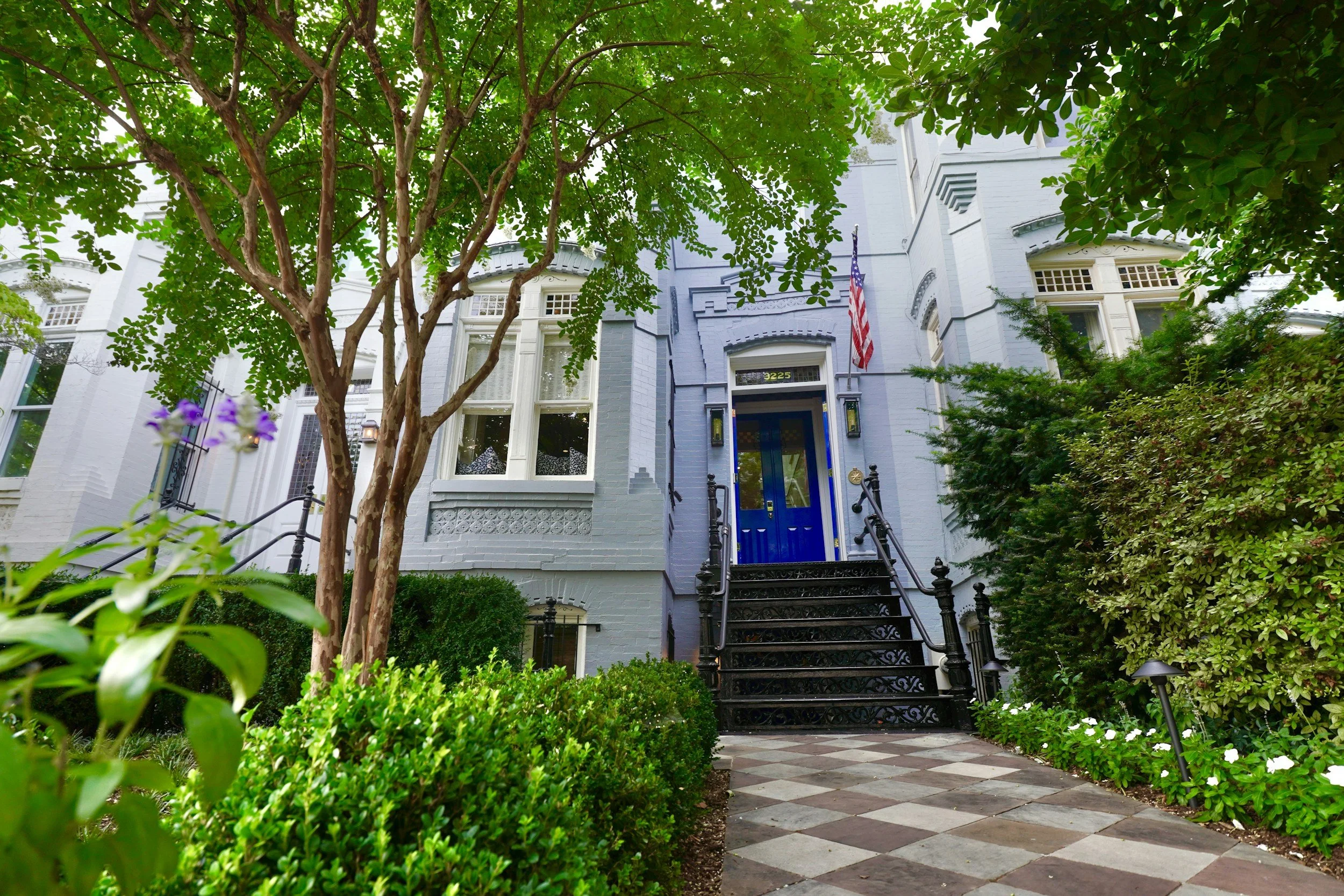
Buyers (and guests) judge a house within the first 7 seconds of pulling up to the driveway. If your front porch looks tired, they assume the interior is tired too.
The 3-Step Front Porch Makeover:
Paint the front door: Pick a bold, sophisticated color that contrasts with your siding (deep navy, charcoal, sage green, or even a classic high-gloss black).
Upgrade your house numbers: Throw away the cheap plastic stickers and install modern, floating metal numbers.
Light it up: Replace the exterior sconce next to the door with a larger, modern lantern fixture.
5. Frame Your Windows (High and Wide)
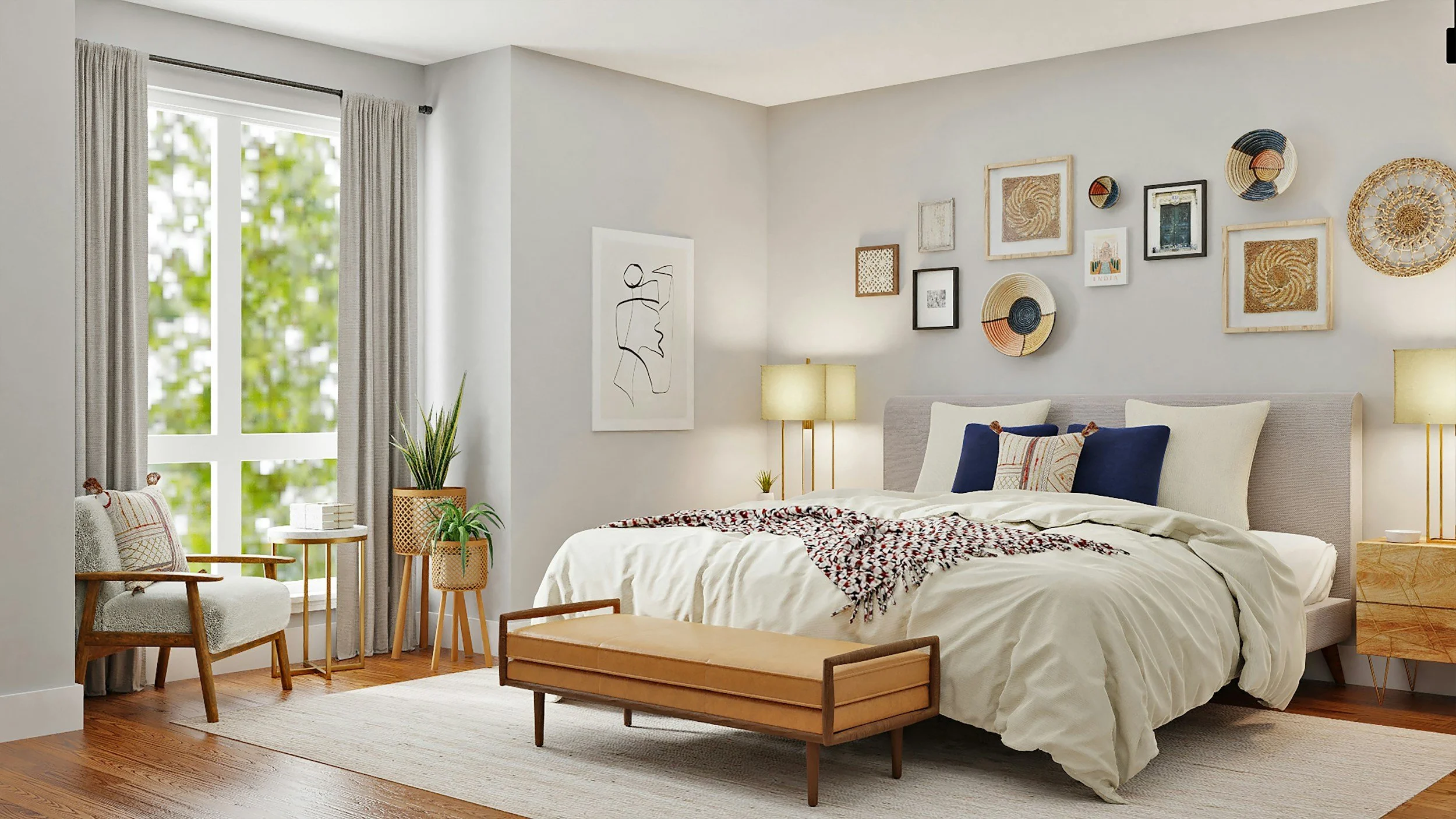
If your rooms feel small or dark, the issue might actually be your curtain rods, not your windows.
The Mistake: Hanging curtains right at the top of the window frame and choosing a rod that matches the window's exact width.
The Correction: Hang your curtain rod 2 to 3 inches below the ceiling (or crown molding) and extend the rod 6 to 12 inches wider than the window frame on each side.
The Result: When the curtains are open, the fabric sits on the wall, letting in 100% of the natural light. It tricks the brain into thinking the window—and the entire room—is massive.
The ROI Takeaway: If you're planning to sell soon, focus your energy entirely on the entryway, kitchen, and primary bathroom. These are the areas where emotional buying decisions are made, and they're the spaces where these small visual tweaks yield the highest financial returns.